We are part of the Helvetia Baloise Group. Find out more.



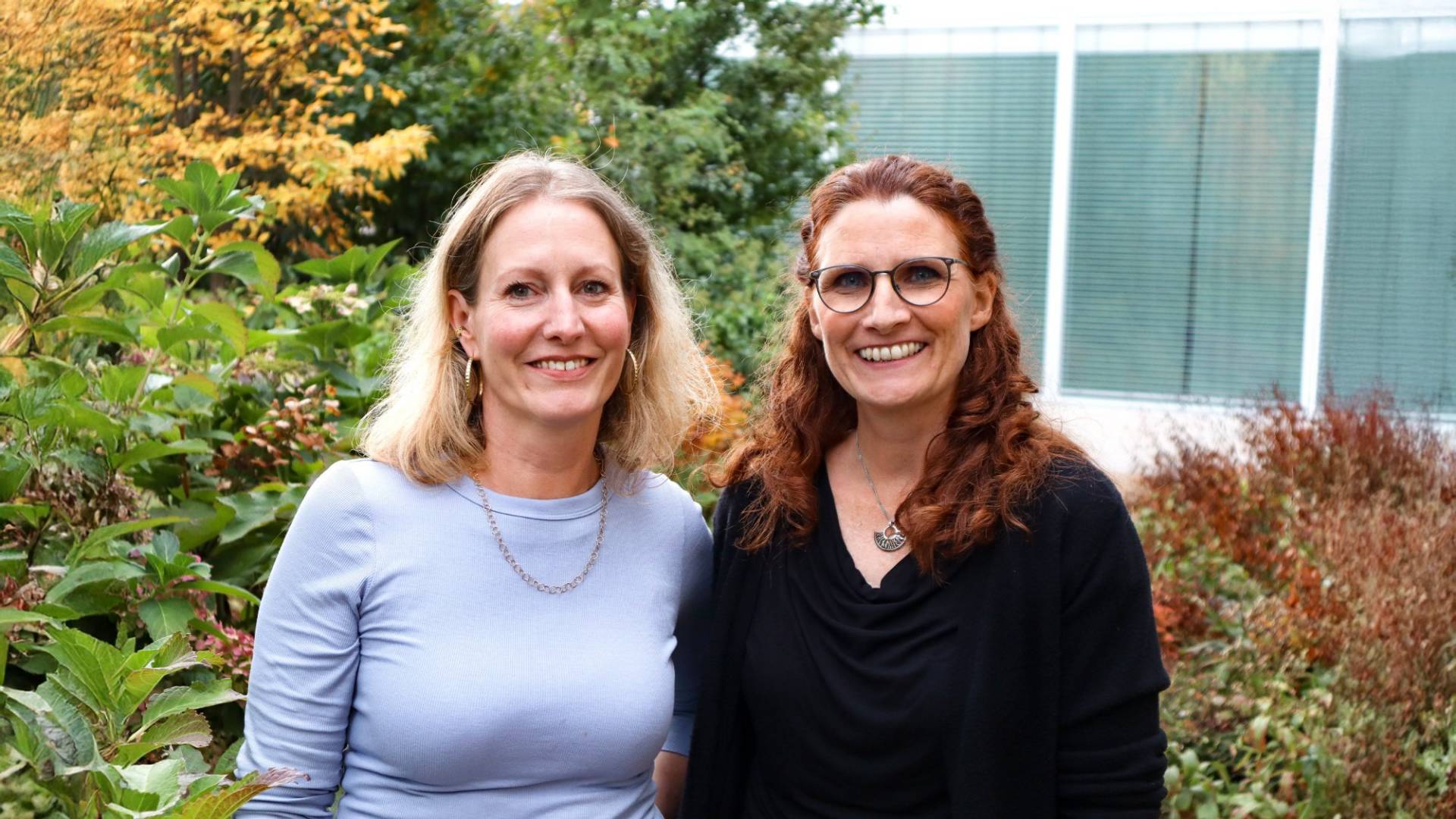
Two heads, one job – is it really twice as good? For Verena Zehner and Catherine Hess, who share a job at Helvetia in the Employee & Leadership Development department, the answer is a resounding yes. In this post, they explain how their job share came about, what it takes to make it work, and why people should feel free to apply in pairs more often.
Apply as a pair, start together
They sit next to each other, lean forward and start laughing at the same time. It doesn’t even take five minutes to see that these two work well as a team. Verena and Catherine met at a different company about ten years ago. Even then, it was clear that the chemistry was right – both professionally and personally. When a full-time position in the Employee & Leadership Development department at Helvetia was advertised, they were very interested in it.
“A lot of exciting jobs are advertised as 80% or 100% positions. It quickly became clear to us that it would be too much for just one of us – but we knew we could do it together,” explains Catherine. So they applied as a pair and were also invited to the interview together. Instead of scepticism, they encountered curiosity and openness. Today, they share the job.
What job sharing looks like on a day-to-day basis
Both work 50%, overlap on around one and a half days per week and cover for each other. They manage larger projects together, while smaller tasks are clearly allocated.
A major advantage: decisions are better because they are based on two perspectives. “We often think the same way, but we can also have very different opinions. And that’s exactly what adds value,” says Verena.
What it takes to make job sharing work
One thing is clear: job sharing does not succeed on its own. It requires structure, trust and good communication.
Their recipe for success:
- Short daily consultations (usually virtual)
- A shared Kanban board
- Copying each other into important e-mails
- Clearly defined responsibilities
- Transparent communication with the team and stakeholders
For managers and external partners, one thing is particularly important: clarity. “We always communicate who is responsible for what. It works perfectly,” says Verena. The chemistry has to be right, too. Same values, similar expectations of efficiency and a similar lived reality. Both are mothers and both work part-time. “We don’t take ourselves too seriously. And we know we can count on each other. That makes things a lot easier,” adds Catherine with a laugh.
“Pragmatic, efficient, sense of humour. That’s how we’d describe the two of us as a team.’
Job sharing is the ideal solution for both of them. They take on responsibility, work on exciting tasks and are able to balance family and work at the same time. After three years sharing a job, the two of them know exactly what matters.
Dos & Don’ts of job sharing
Schedule regular time together (physical or virtual)
Keep it short, but check in with each other frequently
Clearly define and communicate responsibilities
Give and listen to feedback
Use a shared filing system
Keep information to yourself
Do tasks twice
Let the other person do all the work
Expect everything to always run in sync
Summary: job sharing might be your next step
Job sharing is more than just dividing up the working hours of a role. It means taking responsibility together and trusting each other. Indeed, it takes openness – from all sides. Companies need to have the courage to hire people in pairs. And job sharers should have the courage to be visible. Verena and Catherine’s tip: keep your eyes open, look for a potential work bestie and simply apply together. Because sometimes the best careers start with two.